Barnes Wetland Centre donation and rubbish disposal options
Posted on 28/08/2026
If you are planning a visit, helping clear a property nearby, or simply trying to do the right thing with unwanted items, Barnes Wetland Centre donation and rubbish disposal options can feel a bit more nuanced than a standard "throw it away" job. That is fair enough. Places like this sit close to nature, wildlife, footpaths, and busy local streets, so how you donate, sort, carry, and dispose of things matters more than people often expect.
This guide breaks it all down in plain English. You will find practical advice on what can be donated, what should be recycled, what must be treated as rubbish, and how to avoid common mistakes that lead to extra cost, time, or hassle. We will also look at when professional support makes sense, especially if your clean-up is bigger than a few bagfuls.
For broader local context, it can also help to understand how Barnes itself operates as a community with strong expectations around tidiness, sustainability, and neighbourly care. If you want a wider view of the area, you may find considering Barnes from a local perspective useful, and for a cleaner, greener mindset, our recycling and sustainability approach gives a good sense of the standards behind responsible disposal.
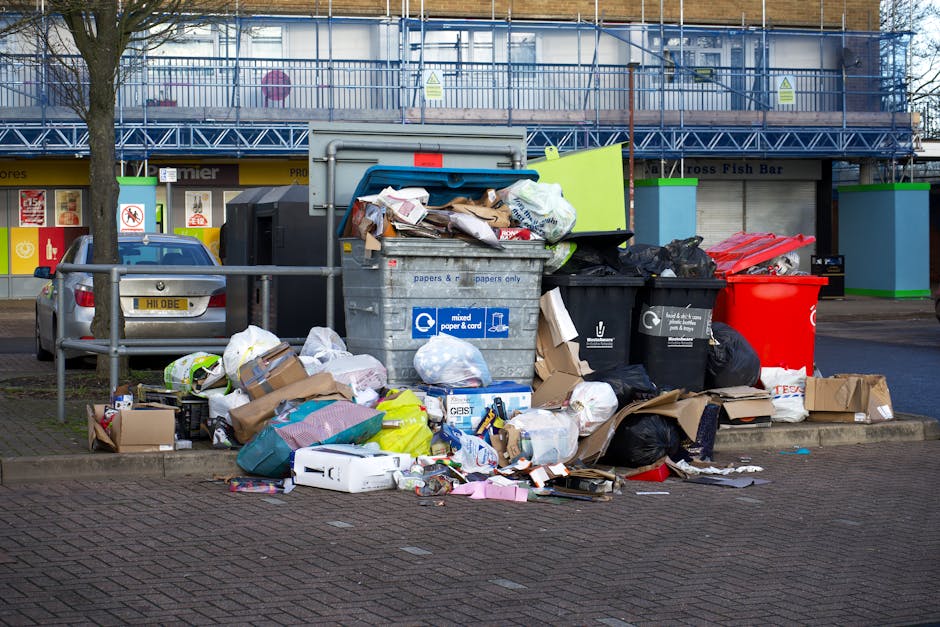
Why Barnes Wetland Centre donation and rubbish disposal options Matters
Donation and disposal may sound like a simple logistics issue, but around a place like Barnes Wetland Centre it becomes part of a much bigger picture. Nature reserves and their surrounding neighbourhoods work best when visitors, residents, and businesses handle waste with care. The wrong item left behind can affect wildlife, block access, create unpleasant smells, or just make a peaceful space feel untidy. Nobody wants that, least of all the people who come for a quiet walk and a bit of fresh air.
There is also a practical side. Many people are clearing homes, moving house, decluttering after events, or dealing with leftover items from a garden project. In those moments, you need to know whether something can be donated, reused, recycled, or removed as waste. If you guess badly, you can end up transporting the same item twice. Annoying, and not exactly a good use of a Saturday morning.
What makes this topic especially relevant in Barnes is the mix of different needs nearby: families with toys and books to pass on, gardeners with green waste, landlords with mixed clearance jobs, and local businesses managing packaging or event leftovers. A sensible plan saves money, reduces landfill pressure, and keeps the area looking as neat as Barnes should look.
Expert summary: The best approach is usually simple: separate reusable items first, identify anything recyclable or compostable next, and only then arrange proper rubbish disposal for the remainder. The order matters more than people think.
How Barnes Wetland Centre donation and rubbish disposal options Works
The process is basically about sorting items by destination before they leave your property. That sounds obvious, but in real life people often lump everything together and worry later. Better to reverse that. Start by asking: is this good enough to donate, can it be recycled, or does it need to be treated as waste?
For donation, items should usually be clean, usable, and in decent condition. Think small furniture, books, homeware, toys, and garden accessories that are no longer needed but still have life left in them. If something is broken, stained, damp, or incomplete, donation is rarely suitable. Truth be told, donation bins and charities are not magic repair shops.
For rubbish disposal, the key is categorisation. General household rubbish, bulky mixed waste, garden cuttings, builder's debris, and office clear-out material all behave differently. Some can be collected together by a professional waste team; others need separate handling. If you are arranging a larger clearance, it often helps to use a structured service such as waste removal in Barnes or, for mixed domestic jobs, house clearance support in Barnes.
In practical terms, the workflow usually looks like this:
- Sort items into donate, recycle, and dispose piles.
- Remove anything hazardous, sharp, wet, or contaminated.
- Check whether anything can be flattened, separated, or bundled safely.
- Decide whether the remaining waste fits a small local collection or needs a fuller clearance.
- Book the appropriate option and keep access clear on the day.
One small but useful detail: if you are dealing with garden waste after a tidy-up near Barnes, it is often cleaner and quicker to separate green waste early. That is why many households prefer garden waste removal in Barnes for branches, hedge trimmings, soil-heavy clippings, and similar material.
Key Benefits and Practical Advantages
The biggest benefit is simply doing the job properly first time. That saves stress. It also reduces the chance of items being rejected at the last minute, which is a common issue when people try to do everything in one go. A tidy plan makes collection easier, donation more effective, and recycling more likely.
There are also environmental gains. Reuse is usually better than disposal, and disposal is better when it is sorted responsibly. You do not need to be an environmental campaigner to appreciate that. You just need to see how much unnecessary waste builds up after a move, renovation, or family clear-out. It is a lot, honestly.
Another practical advantage is flexibility. Once you know what you have, you can choose the right route rather than overpaying for the wrong one. A few books and a chair do not need the same solution as a garden shed full of mixed rubbish. That distinction matters.
- Less waste to landfill: donation and reuse reduce the total volume going for disposal.
- Cleaner handover: sorted items are easier to lift, move, and collect.
- Lower risk of mistakes: you are less likely to dispose of something that should have been reused or recycled.
- Better value: the right service avoids paying for unnecessary labour or vehicle space.
- More considerate locally: keeps pathways, entrances, and nearby streets tidy.
If you are dealing with a business clear-out or a larger site job, the same logic applies. In fact, commercial waste is where good sorting tends to pay off fastest. Local traders often find it helpful to use office clearance services when desks, chairs, packaging, and old files have piled up. For shops and mixed-use spaces, the cleaner the sort, the smoother the job.
Who This Is For and When It Makes Sense
This topic matters to more people than you might think. It is not just for people living right next to a nature centre. If you are in Barnes or passing through with a car full of unwanted items, you may need this guidance sooner than expected.
Typical situations include:
- Households clearing out after a move or refurbishment
- Parents donating children's items that are still usable
- Gardeners tidying borders, hedges, and beds
- Landlords preparing a property between tenancies
- Small businesses removing packaging, display items, or old stock
- People cleaning up after an event, party, or community gathering
If you are local, there is also a broader Barnes context that affects timing and access. Roads can be busy, parking can be tight, and that one awkward side gate never quite gets easier. In those cases, pre-planning helps. For event-related clean-ups or social spaces, it can be useful to look at local venue patterns too, especially if you are following up after a gathering. A nearby perspective like favorite party venues in Barnes can help you think ahead about post-event waste and the sort of material that tends to build up.
To be fair, not every job needs a specialist. If you have only a few reusable items, a donation route plus a small rubbish bag or two may be enough. But once you are dealing with bulky furniture, mixed waste, or anything awkward to carry, a planned collection starts to make far more sense.
Step-by-Step Guidance
Here is a practical way to approach Barnes Wetland Centre donation and rubbish disposal options without overcomplicating the day.
1. Empty and sort the space first
Take everything out if you can. It is much easier to decide what stays when you can actually see the full pile. Try sorting into four groups: donate, recycle, dispose, and maybe. The "maybe" pile should stay small. If it grows too much, you probably need a second pass.
2. Check condition honestly
Donation only works when the item is genuinely usable. Ask yourself whether you would be happy to receive it. If not, it probably belongs elsewhere. Damp cushions, cracked containers, damaged toys, and warped flat-pack parts usually fall into waste rather than donation.
3. Separate special materials
Glass, metal, cardboard, untreated wood, green waste, and textiles often need different handling. You do not need to become a sorting machine, but a little separation helps. If you are managing a larger load, this is where a structured waste service can save time and confusion.
4. Bundle items safely
Keep sharp edges taped or wrapped, and make sure bags are not overfilled. Heavy bags split at the worst possible moment, usually on a doorway or stair. Classic. If there is a lot of garden material, tie branches together and keep soil-heavy waste manageable.
5. Choose the disposal route
At this point you can decide between donation, council-style recycling where available, or a collection service for the remainder. For mixed loads, many people use rubbish collection in Barnes because it keeps the job simple and avoids multiple trips.
6. Make access easy
Clear pathways, unlock gates, and make parking arrangements where possible. If collectors can get in and out cleanly, the whole process is quicker and less disruptive. In a place like Barnes, that small bit of prep can make a surprisingly big difference.
Expert Tips for Better Results
After plenty of real-world clearances, one pattern shows up again and again: the best jobs are the boringly organised ones. Not glamorous, but effective.
Tip one: deal with donation items early. If you leave them until the end, they often get mixed back into the waste pile. Once that happens, people start wondering where the "good" stuff went. Best to tag it, box it, or move it to one side straight away.
Tip two: do not assume all recyclable-looking items are actually recyclable in practice. Dirty, mixed, or contaminated materials can ruin the value of a recycling pile. Clean separation is worth the extra minute or two.
Tip three: measure bulky items before collection day if the load is unusual. It sounds obvious, but you would be surprised how many people forget that the old sofa is not going to magically shrink to fit a narrow hall.
Tip four: keep a quick inventory for anything valuable. This is especially sensible if you are clearing a property after a long time or dealing with items that could still be resold or reused.
Tip five: if your job includes renovation debris, do not mix it casually with garden waste or general household rubbish. Builder's rubble, plaster, and timber offcuts often need a different handling route. For that sort of job, builders waste disposal in Barnes is the more suitable option.
And one small human truth: if you are tired, pause. Rushing a clearance usually creates more mess, not less. A ten-minute break can save an hour of frustration later.

Common Mistakes to Avoid
Most clearance problems are not dramatic. They are just slightly sloppy decisions that compound. A few of the most common ones are easy to avoid.
- Mixing everything together: it makes donation and recycling much harder.
- Leaving donation decisions until the end: good items get damaged or forgotten.
- Assuming bulky items are all the same: furniture, green waste, and builders debris need different handling.
- Overfilling bags or boxes: this creates lifting and spillage problems.
- Ignoring access issues: narrow paths, locked gates, and parked cars can slow everything down.
- Throwing away items too quickly: once something goes, you cannot donate it later.
Another easy trap is underestimating the volume of waste from a small-looking job. A shed tidy-up, for example, can produce more material than people expect. Same with garden edging, broken planters, and old outdoor furniture. By the time everything is stacked, there is a lot there. A lot.
Tools, Resources and Recommendations
You do not need a fancy toolkit for this sort of project, but a few simple items make the job much smoother.
- Heavy-duty sacks: useful for general rubbish and light garden material.
- Strong gloves: especially for broken items, splintered wood, or metal edges.
- Marker labels: helpful for identifying donation items or separating piles.
- Box cutters or scissors: good for breaking down cardboard and packaging.
- Dust sheets or tarpaulins: useful if you are sorting indoors or moving items through clean rooms.
For readers who want a broader service overview before deciding, the services overview is a practical place to compare what different clearance types usually cover. It can help you avoid booking something too small, or too big, for the task at hand.
If you are mainly trying to understand value and planning, pricing and quotes is useful as a general guide to how jobs are assessed. And if you care about the operator's wider standards, about us gives a sense of the company background, while insurance and safety helps you think through practical risk and responsibility.
One quiet recommendation: keep a bin liner or box for "decision later" items, but do not let it linger for days. That box becomes a time capsule of indecision faster than you think.
Law, Compliance, Standards, or Best Practice
When waste, donation, and collection are involved, it is worth taking a careful approach. In the UK, good practice generally means you avoid fly-tipping, do not leave waste where it could create hazards, and make sure anything handed over goes to a legitimate route. That includes thinking carefully about who is taking the waste, how it is being transported, and whether the load is suitable for the chosen method.
There is also a duty of care mindset to keep in mind. In plain English, that means you should be reasonably sure your waste is being handled properly and not just abandoned somewhere else down the line. You do not need to become a compliance specialist, but you do need to be sensible. If something seems unclear, ask questions before collection day.
For donation, the best practice is similarly straightforward: only donate items that are clean, safe, and still useful. Charities and reuse channels generally prefer straightforward, usable goods rather than items that create extra work or disposal costs. That is only fair.
For mixed clearances, especially where there are electricals, sharp objects, or construction materials, be careful with sorting and handling. If in doubt, separate the item rather than guessing. That one habit prevents a surprising number of headaches.
Options, Methods, or Comparison Table
Here is a simple comparison of the most common routes people use when deciding what to do with unwanted items near Barnes Wetland Centre.
| Option | Best for | Advantages | Watch-outs |
|---|---|---|---|
| Donation | Usable furniture, books, homeware, clean textiles | Supports reuse, reduces waste, feels practical | Items must be in good condition and suitable to receive |
| Recycling | Cardboard, clean metal, certain plastics, garden material | Useful for separating recoverable materials | Contamination can reduce what can actually be recycled |
| DIY disposal run | Small amounts of rubbish in a manageable load | Can be direct for very small jobs | Time-consuming, vehicle space is limited, multiple trips may be needed |
| Professional rubbish collection | Mixed rubbish, bulky items, awkward access, time-sensitive jobs | Fast, convenient, less lifting for you | Needs clear scope and good access planning |
| Full clearance service | Large house, office, garden, or builders waste jobs | Handles the lot in one organised visit | Usually only worth it when volume is substantial |
If your job is mostly domestic clutter, a house clearance route is often the right balance. If you are dealing with green material after pruning or landscaping, garden waste removal is usually a better fit. And if your load is mostly broken mixed refuse, waste removal is the broader catch-all option.
Case Study or Real-World Example
A realistic example: imagine a family in Barnes has spent a spring weekend clearing out a garage and back garden before a small gathering. They have a mix of old plant pots, a wobbly chair, cardboard boxes, broken shelving, a few toys in good condition, and bags of hedge clippings. Not a disaster, but enough to be annoying.
They start by pulling the reusable items into one box: the toys, a couple of books, and a small lamp that still works. Those go into the donation pile. Next, the cardboard gets flattened, the garden cuttings are separated, and the broken shelving is grouped with mixed rubbish. One bag of soil-heavy waste gets left aside because it is too awkward to mix with everything else.
On collection day, the access route is cleared. There is no last-minute search for a key, no random pile at the bottom of the stairs, no "we forgot the box in the shed." Small things, but they matter. The result is a quicker job, cleaner removal, and far less stress for everyone. Not perfect, maybe. But neat, and that is usually what people really want.
If the same family had tried to do it in one giant pile, some of the reusable items would likely have ended up damaged or thrown away. That is exactly why sorting before disposal is so valuable.
Practical Checklist
Use this quick checklist before you arrange Barnes Wetland Centre donation and rubbish disposal options:
- Have you separated donate, recycle, and dispose items?
- Are all donation items clean, usable, and safe?
- Have you removed anything sharp, wet, or hazardous?
- Do any bulky items need measuring before collection?
- Have you flattened cardboard and bundled lighter material?
- Is garden waste separated from general rubbish?
- Have you checked access, gates, and parking space?
- Are heavy bags kept to a sensible weight?
- Do you know which items need special handling?
- Have you chosen the right disposal method for the volume involved?
If you can tick most of those off, you are probably in good shape. If not, pause and sort properly first. It really does save time.
Conclusion
Barnes Wetland Centre donation and rubbish disposal options are really about one thing: handling unwanted items in a way that is respectful, efficient, and practical. Donation helps good items stay in use. Recycling keeps recoverable materials in circulation. Proper rubbish disposal takes care of the rest without making life harder than it needs to be.
For small jobs, a careful sort and a bit of patience may be enough. For larger or messier clear-outs, especially where access is tight or the material is mixed, professional collection can be the calmer, cleaner choice. In our experience, the people who get the best result are not necessarily the ones with the biggest plan. They are the ones who sort first and act second.
Get a free quote today and see how much you can save.
And if you are planning ahead, it never hurts to think a step further: what can be reused, what can be recycled, and what can be removed without fuss? That mindset keeps Barnes tidy, keeps things moving, and makes the whole process feel a little lighter.

Copyright © . House Clearance Barnes. All Rights Reserved.